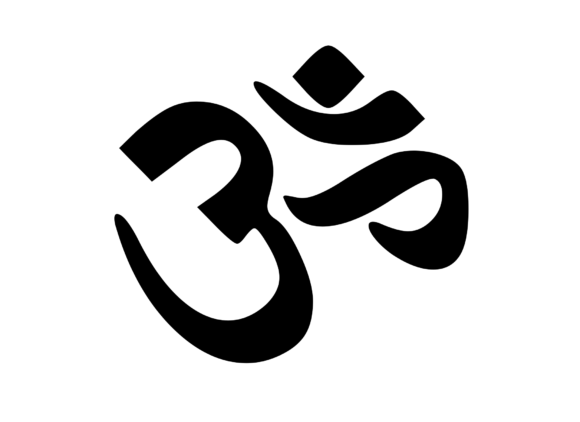
Integrating the New Web Ding Web Element Hindu Om Icon into Modern Digital Design
In the rapidly evolving landscape of digital design and print-on-demand commerce, the demand for versatile, high-quality vector assets has never been higher. Creators, from seasoned graphic designers to hobbyist crafters, are constantly seeking elements that bridge the gap between aesthetic appeal and technical functionality. The New Web Ding Web Element Hindu Om Icon emerges as a significant resource in this context. It is not merely a static image but a dynamic tool for expression, offering a clean, scalable solution for those looking to incorporate spiritual symbolism into their work. This asset represents a shift towards more meaningful, minimalist design choices that resonate with contemporary audiences seeking authenticity and clarity in visual communication.
The Rise of Minimalist Symbolism in Contemporary Design
Modern design trends have increasingly favored simplicity and semantic clarity. The cluttered, hyper-realistic styles of the early 2010s have given way to flat design, mono-line aesthetics, and powerful single glyphs. Within this framework, the New Web Ding Web Element Icon serves as an excellent example of how traditional symbols can be adapted for modern use. The Om symbol, deeply rooted in Hindu philosophy and widely recognized across various spiritual practices, carries profound cultural weight. When rendered as a clean, digital SVG (Scalable Vector Graphic), it transcends its religious origins to become a universal signifier of peace, mindfulness, and balance.
This evolution reflects broader changes in user expectations. Today’s consumers, whether they are browsing a website or purchasing custom merchandise, prefer designs that are easy to interpret and visually harmonious. A complex, textured illustration might get lost on a small mobile screen or when printed on a textured fabric. In contrast, a crisp, monochromatic icon maintains its integrity across all mediums. This is why the New Web Ding Web Element Hindu Om Icon is particularly relevant; it offers a "best of both worlds" scenario—deep symbolic meaning delivered through a technically superior, minimalist format.
Technical Advantages of SVG for Artists and Developers
For professionals involved in UI/UX design, web development, or digital marketing, the file format is just as important as the visual content. The inclusion of a single SVG file in this package is a deliberate choice that aligns with modern workflow efficiencies. Unlike raster images such as JPEGs or PNGs, SVGs are vector-based. This means they are defined by mathematical paths rather than pixels, allowing them to be scaled infinitely without any loss of quality.
Consider the practical implications for a web designer. When integrating the New Web Ding Web Element Icon into a website’s header or footer, the ability to resize the icon via CSS without creating multiple versions for different screen resolutions saves time and reduces server load. For developers, SVGs are code-friendly. They can be manipulated directly within the HTML DOM, allowing for interactive states, color changes on hover, and seamless integration with accessibility tools. This makes the asset not just a decorative element, but a functional component of a responsive, accessible digital experience.
Furthermore, the "mono" or single-color nature of many dingbat-style icons ensures compatibility with various design systems. Whether your brand palette is vibrant and bold or subdued and neutral, a monochrome glyph can be easily recolored to match existing branding guidelines. This flexibility is crucial for maintaining consistency across diverse platforms, from mobile apps to large-format prints.
Expanding Creative Horizons: From Digital Screens to Physical Products
While the digital utility of the New Web Ding Web Element Hindu Om Icon is substantial, its value extends significantly into the realm of physical creation. The print-on-demand (POD) industry has democratized manufacturing, allowing individuals to create custom products with minimal upfront investment. However, the success of these products often hinges on the quality of the source files. A pixelated image results in a poor-quality print, which can damage a seller’s reputation.
Using this fantastic SVG to decorate or craft with ensures that the final product meets professional standards. Here are several ways creators can leverage this asset:
- Apparel Design: The clean lines of the Om icon make it ideal for t-shirts, hoodies, and tote bags. Whether printed on cotton, polyester, or blended fabrics, the vector path ensures sharp edges. Designers can place the icon centrally for a bold statement or subtly on the sleeve for a minimalist look.
- Home Decor and Accessories: From ceramic mugs to wooden coasters, the symbol adds a touch of serenity to everyday items. The scalability of the SVG allows it to fit perfectly on small surfaces like jewelry tags or larger items like wall posters.
- Paper Crafts and Stationery: For educators and hobbyists involved in paper crafts, the icon can be used for cutting machines. The precise paths allow for clean cuts in cardstock, vinyl, or heat-transfer material, enabling the creation of custom stickers, greeting cards, and journal embellishments.
- Educational Materials: Teachers and instructors focusing on world religions, yoga, or mindfulness can use the icon in presentations, worksheets, and classroom posters. Its clear, recognizable form aids in visual learning and discussion.
The versatility of this asset allows users to stand out from the crowd. By proudly reproducing this letter onto almost anything you wish to design, creators can build a cohesive brand identity that spans both digital and physical touchpoints. This cross-medium consistency is key to building trust and recognition in a saturated market.
Navigating Cultural Sensitivity and Ethical Design
When utilizing symbols with deep cultural or religious significance, such as the Om icon, it is essential for designers and entrepreneurs to approach their work with respect and awareness. The popularity of yoga and mindfulness practices globally has led to the widespread adoption of Hindu symbols in Western contexts. While this indicates a growing appreciation for Eastern philosophies, it also raises questions about cultural appropriation versus appreciation.
Professionals using the New Web Ding Web Element Hindu Om Icon should consider the context in which the symbol is applied. Using it purely as a trendy graphic without understanding its meaning can come across as superficial or disrespectful. Instead, creators are encouraged to educate themselves about the symbol’s origins and significance. This knowledge can inform better design decisions, such as pairing the icon with appropriate typography, colors, and messaging that honor its roots.
For businesses, this ethical approach is not just a moral imperative but also a smart strategy. Consumers are increasingly values-driven and can detect insincerity. Brands that demonstrate cultural competence and respect are more likely to build loyal communities. Therefore, the use of this icon should be part of a broader, thoughtful design narrative rather than an isolated decorative element.
Optimizing Workflow for Efficiency and Quality
Incorporating high-quality assets like the New Web Ding Web Element Icon into your workflow can significantly enhance productivity. One of the common pain points for designers is sourcing reliable, editable files. Many free resources offer low-resolution images or formats that are difficult to edit. By investing in a dedicated, well-constructed SVG file, creators eliminate the need for time-consuming cleanup or tracing.
Here are some best practices for integrating this asset into your projects:
- Organize Your Asset Library: Store the SVG in a centralized folder with clear naming conventions. This makes it easy to locate and reuse across different projects, ensuring consistency.
- Test Across Mediums: Before finalizing a design, preview the icon on different backgrounds and materials. Check how it looks on dark versus light modes in web design, or on different fabric colors in print.
- Customize Thoughtfully: While the mono style is versatile, feel free to experiment with weights and spacing if the software allows. Ensure that any modifications maintain the legibility and integrity of the symbol.
- Verify Licensing: Always review the license terms associated with the download. Understanding usage rights prevents legal issues, especially for commercial projects.
By adopting these practices, designers and crafters can maximize the value of their resources. The New Web Ding Web Element Hindu Om Icon is more than just a file; it is a building block for creative expression. Whether you are designing a serene yoga studio website, creating a line of mindfulness journals, or crafting unique gifts, this icon provides the foundational quality needed to succeed.
In conclusion, the intersection of technology, culture, and creativity offers exciting opportunities for modern makers. The availability of precise, scalable, and culturally significant assets like the New Web Ding Web Element Hindu Om Icon empowers individuals to produce work that is both visually striking and meaningful. As we continue to navigate a digital-first world, the ability to seamlessly translate these elements from screen to print will remain a valuable skill. By choosing high-quality tools and approaching design with intention and respect, creators can produce work that resonates deeply with their audience and stands the test of time.