Graffiti Clipart & Street Art Patterns
The raw energy of urban art has long transcended the boundaries of alleyways and subway tunnels. Today, Graffiti Clipart and Street Art Pattern Png files serve as vital assets for designers who want to inject authenticity, rebellion, and vibrant color into their projects. Whether you are designing a limited-edition sneaker box, creating a bold social media campaign, or printing custom wrapping paper, these digital elements offer a shortcut to high-impact visuals without requiring you to wield a spray can.
Integrating street art aesthetics into commercial and personal design is not just about copying a style; it is about capturing a mood. The jagged lines, dripping paint effects, and bold typography associated with graffiti convey immediacy and youth culture. By utilizing high-quality, pre-made graphic elements, creators can focus on composition and messaging rather than spending hours rendering complex textures from scratch.
Why Digital Street Art Elements Matter
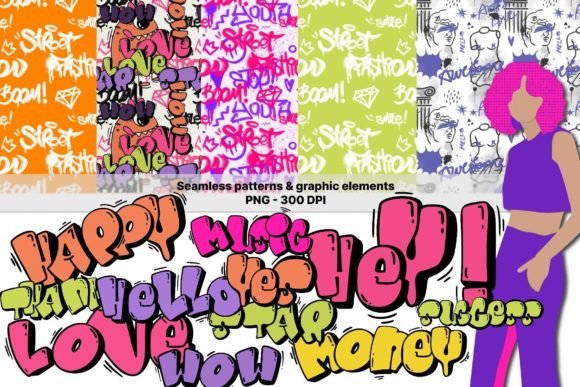
In the fast-paced world of digital marketing and product design, efficiency is key. However, efficiency should never come at the cost of quality. Low-resolution images or poorly isolated clips can make a brand look amateurish. This is where professional-grade Graffiti design elements become indispensable. When you have access to 300dpi PNGs with transparent backgrounds, you gain the flexibility to layer these assets over any color, texture, or photograph without worrying about unsightly white boxes or pixelated edges.
Furthermore, seamless patterns provide a consistent visual language across large surfaces. A single graffiti tag might look striking on a business card, but a repeating pattern creates an immersive experience on textiles or website backgrounds. The combination of individual clipart and seamless tiles allows for a cohesive design system that scales from small icons to large-format prints.
Practical Applications for Creators and Businesses
The versatility of street art graphics means they can be adapted across a wide spectrum of industries. Here is how different professionals can leverage these assets effectively.
Apparel and Textile Design
Fashion thrives on statement pieces. For t-shirt designers, Graffiti Clipart offers ready-made centerpieces that appeal to urban demographics. Instead of hiring a muralist for every new design drop, you can mix and match existing elements—such as stylized arrows, crown motifs, or abstract splatters—to create unique compositions. When applied to textiles, the seamless patterns ensure that the design flows naturally across seams, whether you are producing hoodies, leggings, or tote bags. The key here is contrast; placing vibrant, chaotic street art elements against solid, neutral fabrics often yields the most sophisticated results.
Packaging and Product Branding
First impressions matter, and nothing grabs attention on a shelf like bold, unconventional graphics. Coffee cup sleeves, beverage cans, and snack packaging benefit immensely from the energetic vibe of street art. Using Street Art Pattern Png files allows brands to wrap their products in a dynamic visual narrative. For example, a craft coffee brand might use a subtle, monochrome graffiti pattern to suggest artisanal ruggedness, while a energy drink might opt for neon-bright, aggressive tags to signal intensity. The transparency of PNG files ensures that these designs integrate smoothly with die-cut shapes and irregular packaging formats.
Digital Media and Web Design
In web design, texture adds depth. Flat design has dominated for years, but there is a growing trend toward "neo-brutalism" and raw aesthetics that embrace imperfection. Seamless graffiti patterns can serve as engaging background textures for landing pages, particularly for events, music festivals, or portfolio sites targeting creative audiences. Because these patterns are tiled seamlessly, they load quickly and do not distract from the primary content. Additionally, individual clipart elements can be used as interactive hover states or animated transitions, adding a playful, kinetic feel to the user experience.
Stationery and Greetings
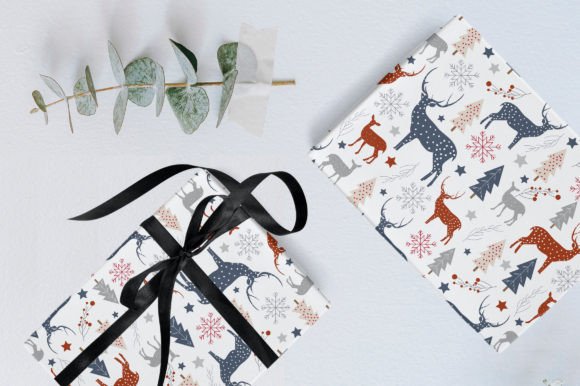
Even traditional print media like greeting cards and wrapping paper can be revitalized with urban art influences. A birthday card featuring a colorful, hand-style graffiti font feels more personal and energetic than standard typography. Wrapping paper, essentially a large canvas for repeating patterns, is an ideal application for seamless tiles. By using high-resolution 3000x3000 px files, you ensure that the print remains crisp even when scaled up for large rolls of paper. This approach transforms mundane gift-giving into a curated aesthetic experience.
Maximizing Quality and Consistency
To get the most out of your Graffiti design elements, technical precision is as important as creative vision. The included assets in a professional pack typically feature 300dpi resolution, which is the industry standard for high-quality printing. Using lower resolution files for print jobs will result in blurry outputs, undermining the sharp, edgy look that defines street art.
Organization is another critical factor. When working with multiple layers of clipart and patterns, keep your files structured. Name your layers clearly in your design software (e.g., Photoshop, Illustrator, or Canva) to distinguish between foreground elements and background patterns. This practice saves time during revisions and ensures that you can easily swap out elements if a client requests changes.
Consistency in style is also crucial. While mixing different graffiti styles can be interesting, it can also look chaotic if not handled carefully. Stick to a cohesive color palette or line weight throughout your project. If your clipart features thick, black outlines, avoid pairing it with thin, delicate script fonts unless you are intentionally aiming for high contrast. Harmonizing the visual weight of your elements creates a polished, professional final product.
Ideas for Creative Adaptation
Do not limit yourself to using the elements exactly as they appear. True creativity comes from adaptation. Consider these approaches:
- Color Manipulation: Use hue/saturation adjustments to recolor black-and-white clipart to match your brand guidelines. A silver chrome effect can make a tag look metallic and modern, while a pastel palette can soften the edge for a more approachable vibe.
- Layering Textures: Combine your Street Art Pattern Png with paper textures, concrete overlays, or halftone dots. This adds tactile realism and prevents the digital art from looking too clean or sterile.
- Masking and Cropping: Use the clipart as masks for photographs. For instance, place a portrait inside the negative space of a large graffiti letter. This technique merges personal imagery with urban aesthetics, creating a powerful visual metaphor.
- Hybrid Typography: Integrate clipart elements into custom typography. Add drips, splatters, or arrow accents to standard fonts to give them a custom, hand-painted appearance without the need for advanced lettering skills.
Final Thoughts on Urban Design Assets
The democratization of design tools has allowed more people to express their creativity, and resources like Graffiti Clipart and Street Art Pattern Png collections play a significant role in this shift. They lower the barrier to entry for achieving a complex, professional look. Whether you are a small business owner looking to refresh your packaging, a teacher creating engaging classroom materials, or a freelance designer building a portfolio, these elements provide a foundation for innovation.
By understanding the technical specifications and exploring diverse applications, you can transform simple digital files into compelling visual stories. Remember, the goal is not just to decorate, but to communicate. Street art is inherently communicative—it speaks to identity, community, and expression. When you incorporate these elements into your work, you tap into that same powerful dialogue, creating designs that resonate with audiences on a deeper, more visceral level.