Halloween Spider Web Background Design Guide
When you think of Halloween aesthetics, the first visual that usually comes to mind is not just a pumpkin or a ghost, but the intricate, dusty architecture of a spider web. A Halloween Spider Web Background serves as the foundational texture for countless creative projects, setting an immediate tone of mystery, age, and spooky elegance. Unlike flat colors or generic patterns, these backgrounds offer depth and narrative potential. They suggest a space that has been untouched for years, inviting the viewer into a story before they even read a single word of copy.
For designers, marketers, and content creators, understanding how to leverage these assets is crucial. Whether you are building a brand identity for a seasonal pop-up shop, designing social media graphics for a horror-themed event, or laying out an editorial piece on gothic literature, the right background can elevate your work from standard to professional. The appeal lies in the versatility of the silhouette. It can be subtle and barely there, acting as a watermark for text-heavy designs, or it can be bold and aggressive, dominating the visual hierarchy to create a sense of immediate danger or thrill.
Visual Characteristics and Stylistic Appeal
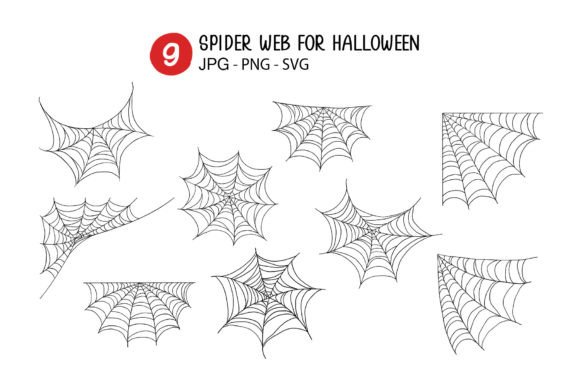
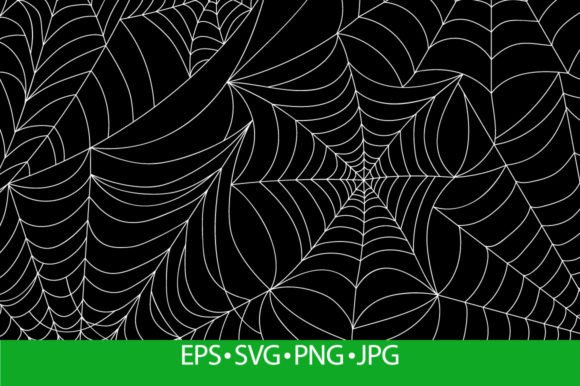
The core strength of a high-quality Halloween spider web background lies in its structural complexity. Visually, these elements are defined by radial symmetry, irregular tension lines, and organic imperfections. A perfect geometric circle feels artificial and sterile, whereas a truly effective scary cobweb decoration element features broken strands, uneven spacing, and areas of density that mimic real arachnid engineering. This organic chaos is what makes the design feel authentic and unsettling.
In terms of style, these backgrounds generally fall into two categories: realistic and stylized. Realistic versions often include dust particles, debris, and varying line weights to simulate depth of field. These are ideal for photorealistic compositions where you want the viewer to believe the web is physically present in the scene. Stylized versions, often found in vector formats like EPS and SVG, rely on clean lines and high contrast. These are better suited for modern typography layouts, logo design, and packaging design where clarity and scalability are paramount.
The personality of these assets is inherently gothic and fearful, yet they possess a strange beauty. This duality allows them to work across a wide spectrum of themes. For a luxury Halloween party invitation, a delicate, thin-line web suggests sophistication and exclusivity. For a haunted house flyer, a thick, sticky hanging net conveys trap and danger. Understanding this nuance helps you select the right asset for your specific audience. It is not just about adding a spooky element; it is about choosing the right emotional trigger.
Strategic Applications Across Creative Industries
The utility of a Halloween Spider Web Background extends far beyond simple holiday greetings. In the realm of branding and marketing, these textures can be used to create immersive campaign experiences. Imagine a limited-edition product launch for a dark chocolate brand or a craft beer with gothic labeling. Using a subtle web pattern on the packaging design creates tactile interest and reinforces the brand’s edgy identity. It transforms a standard package into a collectible item that resonates with the target demographic’s aesthetic preferences.
For digital creators and web designers, these backgrounds are invaluable for creating atmospheric landing pages. When used correctly, a spooky spider webs silhouette can guide the user’s eye toward key call-to-action buttons without overwhelming the content. The key is opacity and layering. By reducing the opacity of the web layer, you allow the primary content—whether it is a headline, a product image, or a sign-up form—to remain the focal point while the background provides context and mood. This technique is particularly effective for horror theme party vector backdrops used in event promotion websites.
Publishers and editors also benefit from these assets. In editorial design, such as magazine spreads or book covers, a well-placed cobweb can frame text blocks or separate sections. It acts as a visual break that maintains the thematic consistency of the publication. For bloggers and social media managers, having a library of high-resolution PNG and JPEG backgrounds allows for rapid content creation. Instead of starting from scratch, you can overlay text and images onto pre-made assets, ensuring a consistent look and feel across all platforms during the Halloween season.
Technical Considerations and Format Selection
Choosing the right file format is critical for maintaining the quality and usability of your design assets. Vector formats like EPS and SVG are essential for scalable graphics. If you are working on a large-format print project, such as a banner or a storefront window display, vectors ensure that the lines of the web remain crisp and sharp at any size. They also allow for easy color manipulation, enabling you to match the web color precisely to your brand identity or design palette. This flexibility is crucial for professional designers who need to adapt assets for various clients and applications.
Raster formats like PNG and JPEG serve different purposes. PNGs with transparent backgrounds are incredibly useful for compositing. You can place a sticky hanging net over a photograph of a model or a product, and the transparency ensures that only the web appears, blending seamlessly with the underlying image. JPEGs are best for full-background textures where transparency is not required, such as website headers or email newsletter backgrounds. They offer smaller file sizes, which is important for web performance and loading speeds.
When evaluating these assets, pay attention to resolution and detail. A low-resolution image may look acceptable on a small screen but will appear pixelated and unprofessional when printed or viewed on a high-density display. Always opt for high-resolution files that provide enough detail to withstand cropping and resizing. Additionally, consider the licensing terms. Ensure that the commercial font or design asset you are using permits the intended use, whether it is for personal hobby projects or large-scale commercial campaigns. Respecting intellectual property rights is a fundamental aspect of professional practice.
Enhancing Readability and Visual Hierarchy
One of the biggest challenges when using complex backgrounds like spider webs is maintaining readability. The intricate lines can compete with text, making it difficult for viewers to process information. To overcome this, designers must employ strong visual hierarchy techniques. Use contrasting colors for your text; white or bright orange text often stands out well against dark, web-filled backgrounds. Alternatively, place text inside solid-colored boxes or shapes that sit on top of the web layer. This creates a clear separation between the background noise and the foreground message.
Typography choice also plays a significant role. Pairing a chaotic background with a clean, sans serif font can create a balanced composition. The simplicity of the typeface counters the complexity of the web, ensuring that the message remains legible. Conversely, if you are aiming for a more decorative look, a script font or handwritten font can complement the organic lines of the web, but it must be used sparingly and at larger sizes to avoid illegibility. The goal is to create harmony between the background and the foreground elements, not conflict.
Ultimately, a Halloween Spider Web Background is more than just a decorative element. It is a powerful tool for storytelling and brand expression. By understanding its visual characteristics, selecting the appropriate formats, and applying sound design principles, you can create compelling, professional, and engaging content that captures the spirit of the season. Whether you are a seasoned designer or a small business owner looking to add a touch of spooky flair to your marketing, mastering these assets will enhance your creative output and connect more deeply with your audience.