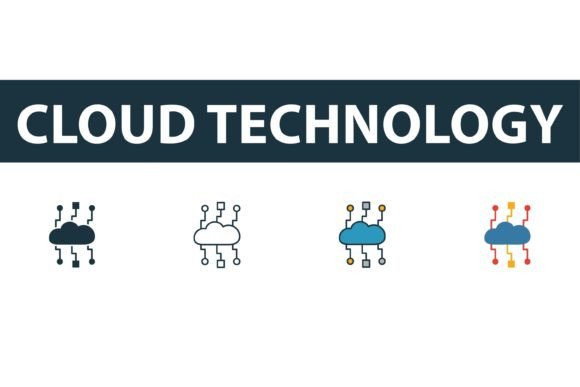
Cloud Technology Icon Set: Essential Visual Assets for Modern Digital Design
In the rapidly evolving landscape of digital infrastructure, visual communication plays a pivotal role in how users perceive and interact with technology. Whether you are designing a dashboard for a complex SaaS platform, creating marketing materials for a web hosting provider, or building a mobile application that relies on remote data storage, clarity is paramount. This is where a comprehensive Cloud Technology Icon Set becomes an indispensable resource for designers, developers, and product managers. These visual elements do more than just decorate an interface; they serve as universal signposts that guide users through complex technological concepts with ease and efficiency.
The demand for high-quality, versatile iconography has never been higher. As businesses migrate to cloud-based solutions, the need to represent abstract concepts like data synchronization, server security, and virtual networking becomes critical. A well-curated Cloud Technology icon set bridges the gap between technical functionality and user-friendly design. By providing immediate visual recognition, these icons reduce cognitive load, allowing users to navigate systems intuitively without needing extensive textual explanations.
Understanding the Versatility of Cloud Iconography
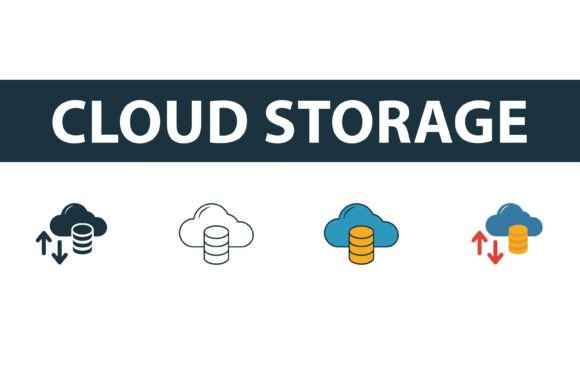
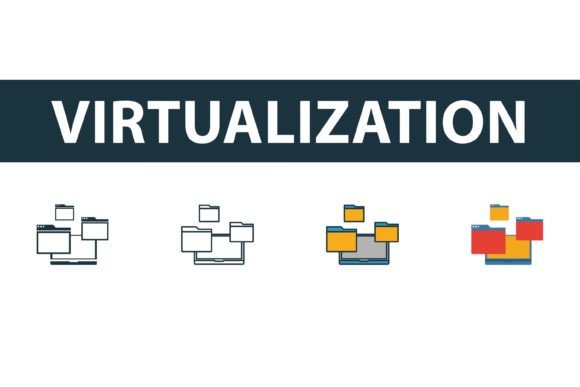
At its core, a Cloud Technology Icon Set is a collection of vector graphics designed to represent various aspects of cloud computing and web hosting. However, not all icon sets are created equal. The true value lies in versatility and adaptability. A premium collection typically includes four distinct styles: filled, outline, colored, and flat symbols. This variety ensures that designers can maintain brand consistency across different contexts and platforms.
The filled style offers bold, solid shapes that are ideal for primary navigation bars or active states in user interfaces. They provide strong visual weight, making them easy to spot at a glance. In contrast, the outline style features thin, clean lines that convey a sense of lightness and modernity. Outline icons are perfect for secondary actions or when a minimalist aesthetic is required. The colored variants add vibrancy and can be used to highlight critical features or draw attention to specific calls to action. Finally, flat symbols offer a balanced approach, combining simplicity with subtle depth, making them suitable for a wide range of applications from infographics to app interfaces.
Having access to these four elements from a web hosting icons collection allows designers to create hierarchical visual systems. For instance, you might use outline icons for inactive menu items and switch to filled or colored versions when a user selects a feature. This dynamic interplay enhances the user experience by providing clear feedback and maintaining visual harmony throughout the application.
Addressing Common Design Challenges
Designers often face significant challenges when attempting to create custom icons for specialized industries like cloud computing. Concepts such as "serverless architecture," "data encryption," or "load balancing" are abstract and difficult to visualize. Creating unique, recognizable symbols for these concepts from scratch is time-consuming and requires a deep understanding of both design principles and technical terminology. Furthermore, ensuring that these icons remain legible at various sizes and resolutions can be a tedious process.
Using a pre-made Cloud Technology Icon Set addresses these pain points directly. Instead of spending hours sketching and refining vector paths, designers can leverage professionally crafted assets that have already been optimized for clarity and scalability. This not only accelerates the design workflow but also ensures a higher standard of quality. The icons are created by experts who understand the nuances of visual balance, spacing, and proportion, resulting in symbols that look polished and professional.
Another common challenge is maintaining consistency across multiple platforms. A logo or symbol that looks great on a desktop website might appear cluttered or illegible on a mobile device. A high-quality Cloud Technology icon set solves this by providing vector graphics in formats like EPS, AI, and SVG. These formats are resolution-independent, meaning they can be scaled up or down without any loss of quality. Whether you need a tiny favicon or a large banner graphic, the integrity of the design remains intact.
Practical Applications and Implementation
The utility of a Cloud Technology Icon Set extends far beyond simple website decoration. These assets are crucial for creating intuitive user interfaces in cloud management dashboards. For example, a DevOps engineer monitoring server health needs to quickly identify status indicators. Icons representing CPU usage, memory allocation, and network traffic allow for rapid assessment of system performance. By using standardized symbols from a trusted collection, teams can ensure that their internal tools are easy to use and understand.
In marketing and sales, these icons help simplify complex service offerings. Web hosting providers often struggle to explain the benefits of VPS hosting versus shared hosting to non-technical customers. Using clear, colored icons to represent speed, security, and support can make these differences immediately apparent. Infographics and presentation decks benefit greatly from the inclusion of flat symbols, which break down dense information into digestible visual chunks.
For mobile app developers, the lightweight nature of SVG files is particularly advantageous. SVGs have small file sizes, which contributes to faster loading times and improved app performance. This is critical in mobile environments where bandwidth may be limited. By integrating a Cloud Technology icon set into their asset library, developers can enhance the visual appeal of their apps without compromising performance.
File Formats and Ease of Use
One of the most significant advantages of purchasing a professional Cloud Technology Icon Set is the range of file formats provided. Typically, you will receive EPS, JPG, AI, and SVG files. Each format serves a specific purpose in the design and development workflow.
- AI (Adobe Illustrator): This is the native format for vector editing. It allows designers to modify every aspect of the icon, from changing colors to adjusting shapes. It is ideal for customization and integration into larger design projects.
- EPS (Encapsulated PostScript): A universal vector format that is compatible with many design software packages. It is perfect for sharing assets with clients or collaborators who may not use Adobe Illustrator.
- SVG (Scalable Vector Graphics): The gold standard for web and app development. SVGs can be styled with CSS and manipulated with JavaScript, offering endless possibilities for interactive design. They are also accessible and SEO-friendly.
- JPG (Joint Photographic Experts Group): While not scalable, JPGs are useful for quick previews, documentation, or situations where vector formats are not supported. They provide a rasterized version of the icons for immediate use.
The ease of editing these files means that teams can tailor the icons to match their brand guidelines perfectly. You can adjust stroke widths, change color palettes, or combine elements to create unique composite icons. This flexibility ensures that the Cloud Technology icon set remains a valuable asset throughout the lifecycle of a project.
Tailoring the Approach for Different Users
Different professionals will approach the use of a Cloud Technology Icon Set in varied ways. UI/UX designers will focus on consistency and usability, ensuring that the icons align with the overall design system and enhance the user journey. They will likely prioritize the outline and flat styles for their clean, modern appearance.
Developers, on the other hand, will appreciate the technical benefits of SVG files. They will focus on implementation details, such as optimizing code for performance and ensuring accessibility standards are met. For them, the ability to easily integrate icons into the codebase without additional image processing is a major advantage.
Marketing professionals will leverage the colored and filled icons to create engaging visual content. They will use these assets in social media posts, email newsletters, and advertising campaigns to capture attention and communicate key messages quickly. For this group, the visual impact and brand alignment of the icons are paramount.
Ultimately, a Cloud Technology Icon Set is more than just a collection of images; it is a strategic tool that enhances communication, improves user experience, and streamlines the design process. By investing in high-quality, versatile iconography, businesses can ensure that their digital products are not only functional but also visually compelling and easy to navigate. Whether you are building a complex cloud infrastructure platform or a simple hosting landing page, the right icons can make all the difference in how your audience perceives and interacts with your technology.